You may not think of a "Brand" as being vital for a sustainability organization. It’s easy to assume branding is only for consumer products or large corporations. But, aside from your mission, your brand is the most powerful tool you have to determine the impact you make in your community.
Why Investing in Your Brand Matters
According to the 2022 Design for Good survey:
Donor Engagement: 93% of nonprofits believe a strong brand identity has a positive impact on donor engagement.1
Recurring Donations: 74% of organizations report that a strong brand identity increases recurring donations.2
Revenue Growth: Nonprofits that invested in professional design were3 50% more likely to see an increase in fundraising revenue.
Volunteer Interest: Roughly 68% reported that a strong visual brand increases interest from potential volunteers.
What is a Brand?
A brand is more than just a logo or a color palette—it is your reputation. It is the collective gut feeling people have when they hear your name, visit your website, or talk to your team. As Jeff Bezos famously said, "Your brand is what people say about you when you are not in the room."
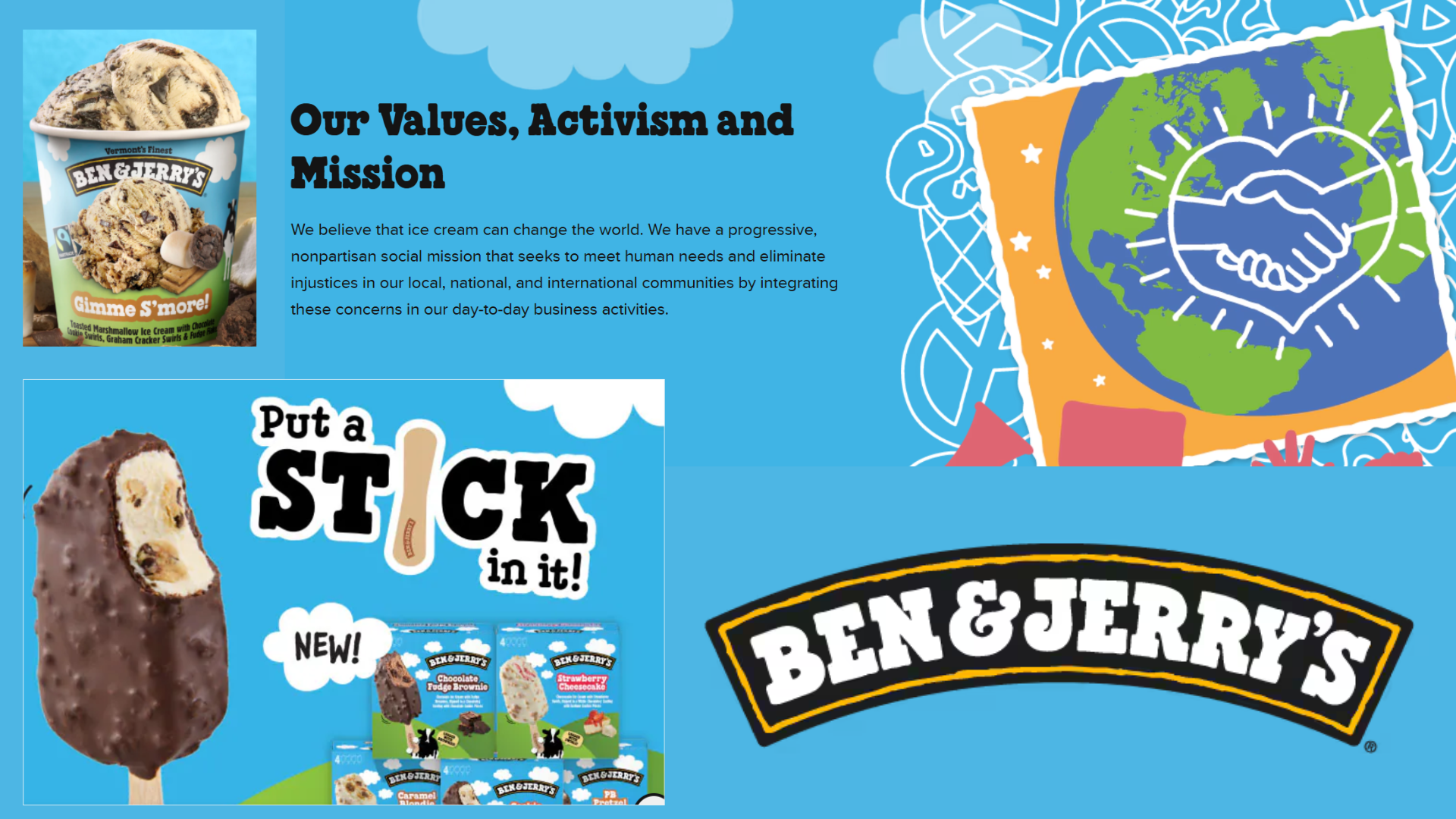
To see this in action, look at an iconic brand like Ben & Jerry’s. They use their brand to signal exactly who they are before you even taste the ice cream:
Fun and Lighthearted: Their approachable personality is rooted in their humble origins.
Activist Messaging: They use their platform to drive advocacy on systemic social issues.
Strong Values: Their mission is an authentic internal belief, not just a marketing tactic.
Defining Your Brand Themes
To build a cohesive brand, you must first define three Brand Themes. These themes should align with your audience’s needs, reflect your desired reputation, and incorporate behavioral change attributes (such as those found in the MINDSPACE framework).
Here are examples of brand themes related to our sustainability field:
Environmental Education
Inspiring Action
Practical Advocacy
Economical and Environmental
Environmental Coaching
Treasuring Green Space
Connection to Land
Practical Daily Tips
Positive Urgency
Politically Neutral
Actions Add Up
Non-judgemental
Equitable
Community Collaboration
Tree Hugger
Clean Air
Clean Energy Advocates
Storm Preparedness/Response
How to Conduct a Strategic Branding Exercise
Don't determine your brand in a vacuum. A successful brand is built where your mission meets your community's needs. Follow these four phases:
The Internal Audit (Identity): Gather key stakeholders and board members to define your "North Star." Ask: If our organization disappeared tomorrow, what specific gap would the community feel most? This moves you beyond a mission statement and toward a unique reputation.
The Audience Mirror (Personas): Identify your primary personas (donors, volunteers, or beneficiaries). Instead of just guessing what they want, describe the emotional reaction you want them to have. Do you want them to feel empowered, urgent, or comforted?
The Competitive Landscape (Differentiation): Look at other organizations in the sustainability space. Select 3 Brand Themes that not only reflect your values but also distinguish you from others. For example, if everyone else is "The Activist," perhaps your strength is being "The Practical Coach."
The Consistency Standard (Brand Guide): Translate your 3 themes into a visual and verbal "Rulebook." Ensure your logo, color palette, and tone of voice (e.g., authoritative vs. grassroots) are documented so every volunteer and staff member speaks with one cohesive voice.
What are your Brand themes? We would love to see how you represent your organization. Please share your website URL in the comments on our LinkedIn page!